






This article is part of our new series, The People of Leros, where we highlight individuals either from the island or who have chosen Leros as a special home. Each person stands out through their unique story, passions, and the meaningful ways they enrich the community.
In this interview, we meet Nikos Fokas, a man of many talents whose interests span art, architecture, history, and sailing, all of which he channels into meaningful volunteer work and contributions to the community. A long-time Leros resident and a beloved, active figure in the island’s cultural life, Fokas was born in Athens in 1966 and traces his roots to both Leros and Kefalonia. He settled permanently on the island in 2018 and has since offered his time and skills to a wide range of cultural, educational, and social initiatives. In this interview, he shares his personal journey, his deep affection for Leros, and his hopes for its future.
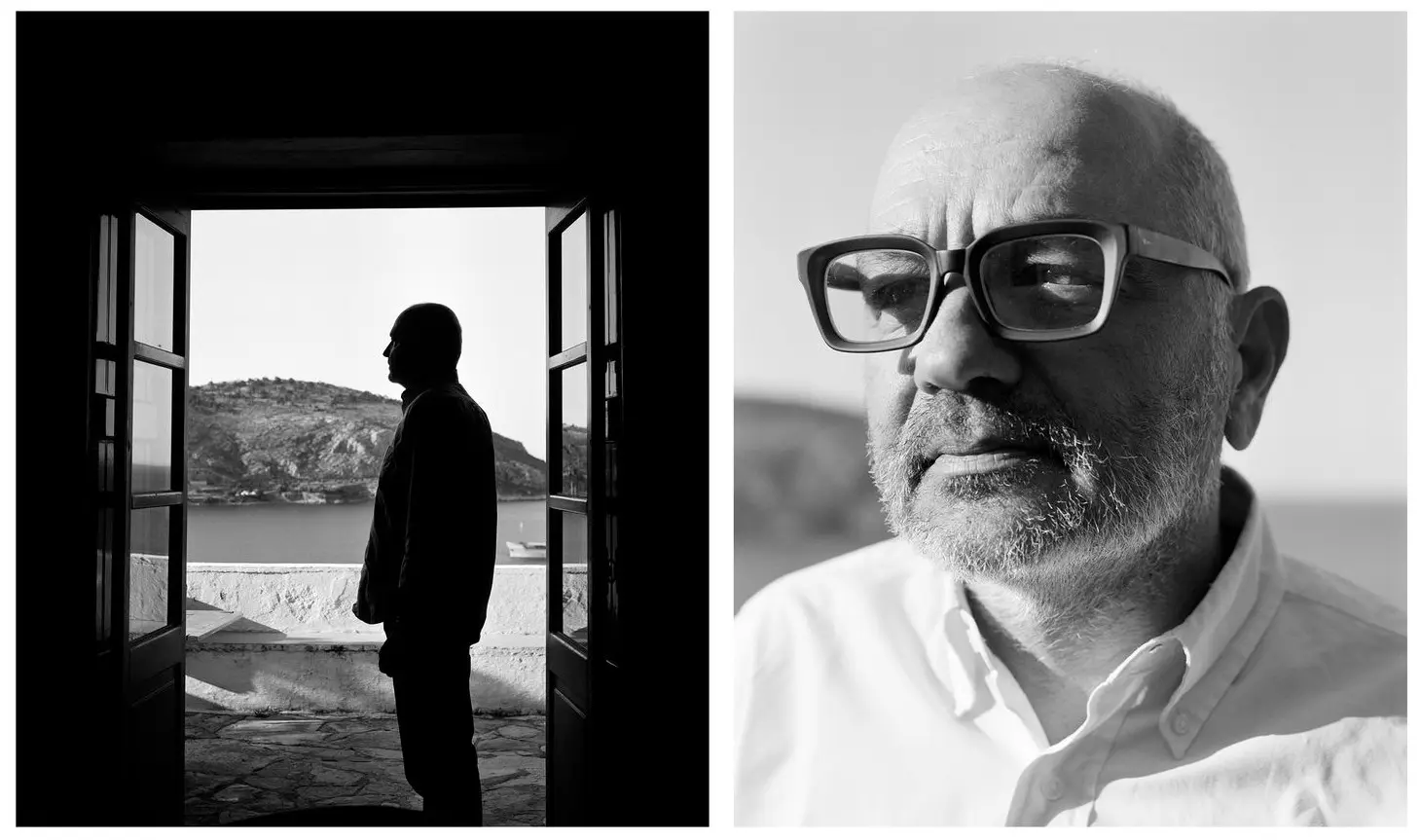
Could you tell us a little about yourself, your background, where you were born and raised, your studies, work, interests and family?
I was born in Athens in 1966, with family ties to Leros and Kefalonia. My mother Maria, is a photographer and traveler with a rich publishing career of travel-historical albums, and my father Makis, is a lawyer-economist with a long career in tourism. My parents divorced amicably when I was 8 years old and remarried wonderful partners, offering me two additional parents! I grew up in the center of Athens in a house “without walls” with open doors, windows with a view, libraries, and works of art. I hardly finished school (Moraitis school and Psychiko high school) and studied business administration at the American College of Greece. After my service in the Navy, I started working in the private sector in various commercial businesses (art, textiles, home goods, hardware) and for the last 18 years of my working life, I practiced the profession of real estate valuator and agent. My wife from Thessaloniki, Ioanna Asmeniadou, visited Leros for the first time in 1995 as my partner. She loved the place, and we got married in 1998 in Agios Isidoros. In 2014 we started to share our stay between Leros and Athens and in 2018 we moved to Leros where I volunteer at:
- the refugee crisis (2018-2023) as the coordinator of the NGO Echo100+ on the island,
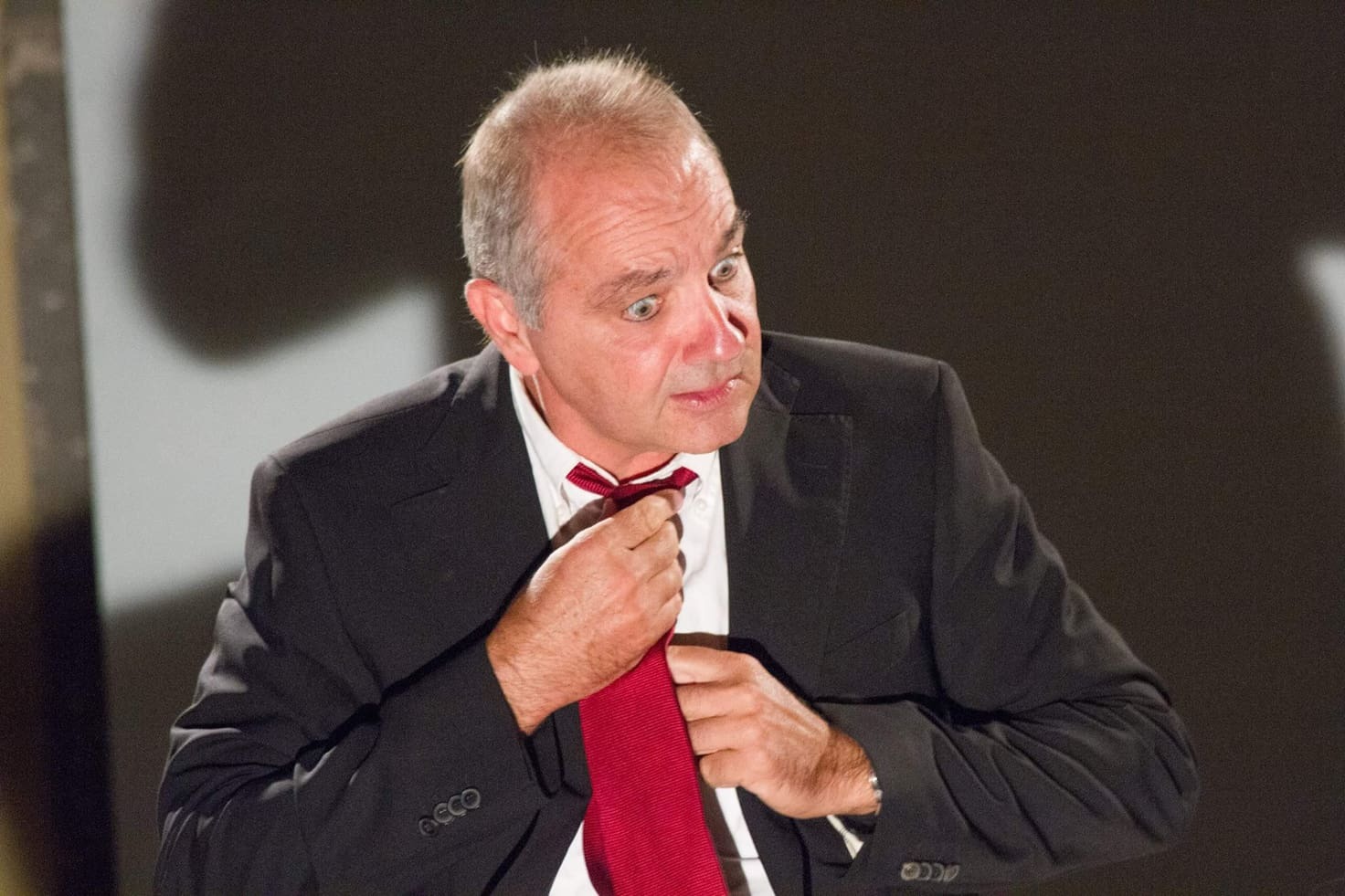
- the Leros Theater Group (Board member) as an actor and helping however I can,
- at the Leros Nautical Club (Board member),
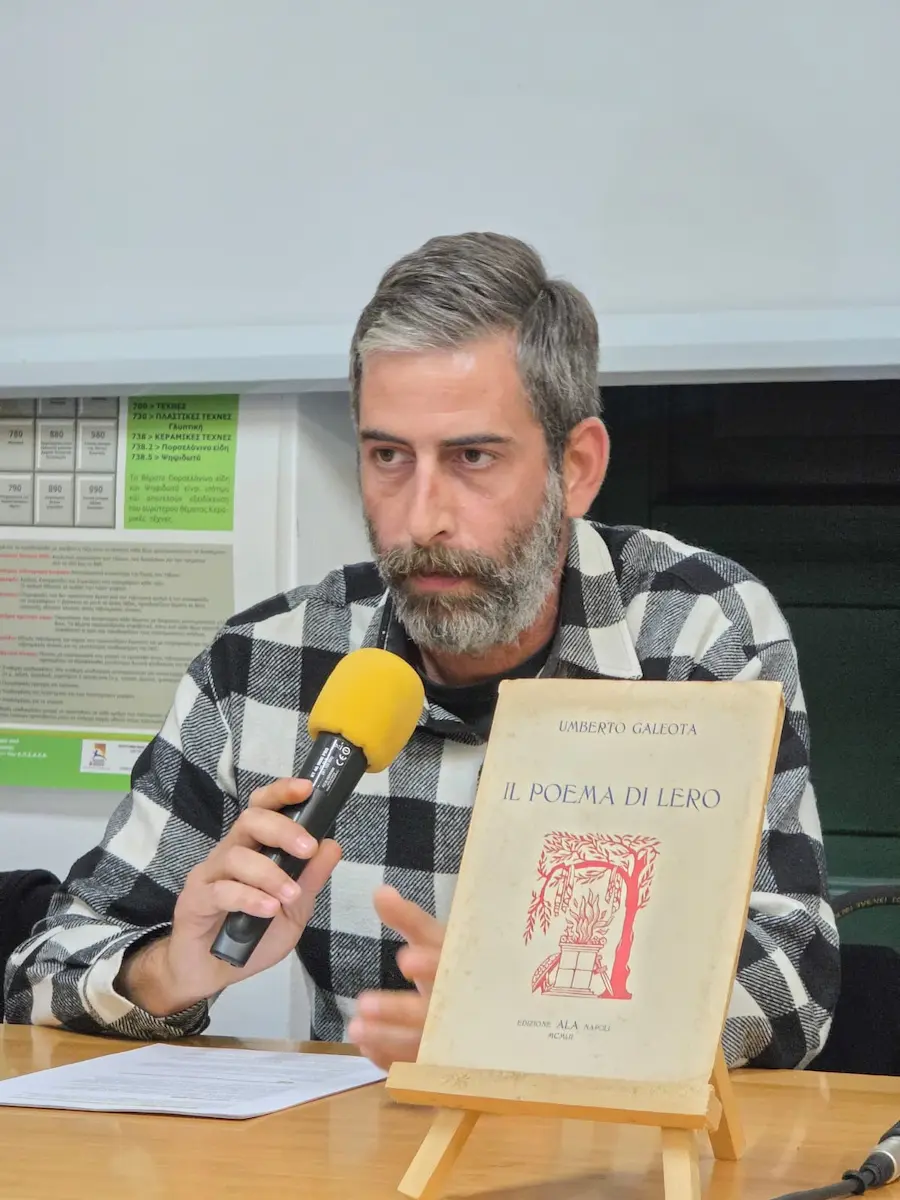
- at cultural activities (lectures, book presentations-publications, art exhibitions), in collaboration with local associations and clubs, as the Representative of the “Parnassos” Literary Club,
- at “Caserma of Herbs”of KOISPE making guided tours and educational games,
- the Leros Historical Society (LHS), as Board president, to promote the history of Leros.
My interests include art (all kinds of visual and performing arts), gastronomy, cooking, and DIY.


When did you first discover Leros, and what is your first memory of the island?
I was introduced to Leros by my beloved Lerian-Egyptiot grandmother, Alexandra Gerakitis-Aggelou. I first visited the island as a child on vacation (1971, if I remember correctly), and my earliest memories are disembarking at the port of Lakki with hardbour launches and (uncle) Giakoumis Dimitriadis with the blue beetle car driving us for a swim on the beaches.
What do you love most about life here, and what elements do you find most difficult or demanding?
I enjoy the quality of life that the island offers with its active and open society, the different landscape and architecture within short distances, and the rich culture. Access to the island (requires planning and flexibility), the dangerous lack of road safety, and the quality of the water are, in my opinion, the most annoying and demanding elements of life on Leros.
Are there any people or particular experiences that have shaped your relationship with Leros over the years?
The most influantial person in shapping my relationship to Leros is my grandmother Alexandra, who passed on to me the love and appreciation for the place and its society. Also, her brother Theologos (Lolos) Angelou, with his special way of observing and commenting on what was happening on the island along his resourceful friend Giorgos Valsamis. I remember, as a child, enjoying dinners with them at Lolos’ guesthouse in Lakki. Experiences concern mainly the large children’s and youth groups, including summer visitors like me, local friends, and foreigners, some of whom have remained regulars. Moving to Leros gradually since 2014, the notable experience that further shaped my relationship with Leros was Ioanna, through her research on the island’s modern history and the creation of her film “Portolago, Ghosts in the Aegean”.
Is there a topic or cause that particularly touches you, something that you are dedicated to promoting or positively influencing?
Our rich history! Transmitting it (mainly to children) and using it for focused and qualitative development of the island’s tourism to provide benefits to the society and keep young people in Leros.
Is there a project or initiative that you participated in that you are particularly proud of?
Proud, no. I voluntarily participate in many initiatives and actions on the island, enjoying any (small or large) positive results they have, and the lessons I get from each of their failures.
How do you see the current cultural life of Leros compared to the past, and how would you like it to evolve in the future?
I have not lived in Leros long enough to make a comparison with the past, but based on historical evidence, I believe that Leros has a cultural life that goes back in time. I consider today’s cultural life remarkable, with lots of active organizations contributing and reaching out to a large part of the island’s youth. This gives me hope that Leros will continue to be a culturally rich island, whether in traditional or modern culture. Given the strong foundations of traditional culture, I would like to see modern culture develop further.
As someone active in the social and volunteer life of the island, what do you think is the best way to create positive change? What role can the local community play in the daily life of Leros?
It is utopian to hope for any positive change without the participation of the local community. The best way to further mobilize it is through children and youth. Let’s motivate the children to educate us!
What motivates you to continue working for the good of the island?
The hope for an even better quality of life on our misjudged island without getting it corrupted by the wrong type of tourism.
How would you describe Leros to someone who has never visited it?
As I have already described it in my article in “Athens Voice”:
“Leros is perhaps the strangest island in the Aegean. An island that, without being touristy, has fanatical visitors and a growing population. It has an excellent coastline but no great beaches, and architectural wealth combined with architectural “vulgarity”. Wonderful food, without an autonomous gastronomic identity. Rich history, which of course you have to search to discover. An active community with a rich culture (music, theater, visual arts, dance, literature, cinema) and sports activities. These characteristics offer a special charm, which is best revealed beyond the classic summer holiday season.”
What are your future plans, both personally and professionally?
My professional life has (unless something unexpected happens) come to an end. Personally, I plan to carry on enjoying well-being on my beloved Leros by volunteering in causes with positive effect.
Nikos’ dedication to Leros goes far beyond volunteering; he lives and breathes the island’s culture, history, and community spirit. Through his work in arts, education, and social projects, he has helped shape a richer, more connected life for everyone on the island. We are grateful for all that he has done and continues to do, and for inspiring others to care deeply for Leros as he does.